How do I know if my concrete floor needs a coating?
Look for dust on your shoes, stains that will not lift, small surface chips or worn patches. If the slab is sound, a coating can add protection. A provider can confirm after checking it.
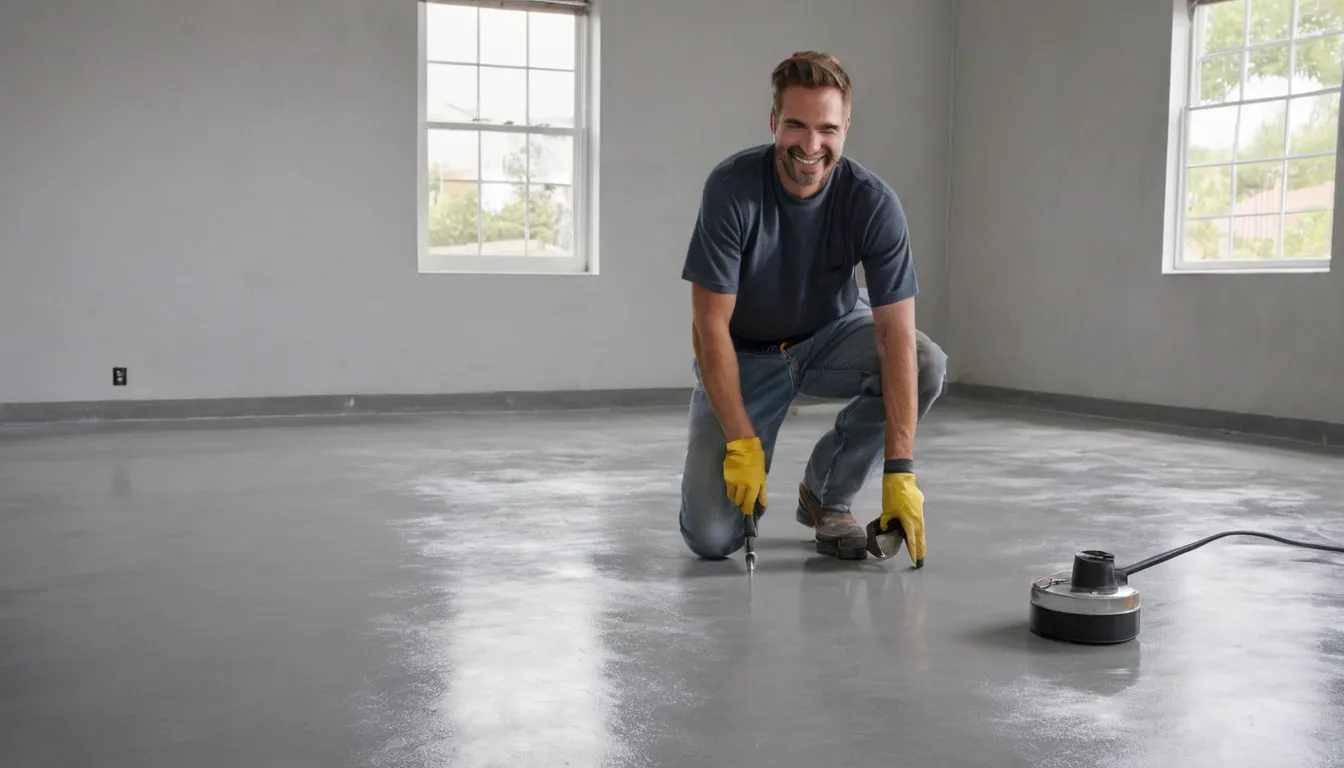
A concrete floor takes quiet punishment for years. Foot traffic, damp air, winter grit and sticky summers all wear it down. Then one day you notice dust on your shoes, a stain that will not lift, or a crack that was not there last spring. A concrete coating adds a tough, easy-clean layer on top.
Interventionvisited Floor Coating is a referral service, not a coating company. It connects you with independent providers in our network who prep, repair and coat the slab. This page shows which small jobs you can help with and which need pro equipment, so you can plan the project calmly.
Concrete rarely gives up all at once. It whispers first. If you read the floor early, a small fix can stay small.
A fine, pale powder means the top layer is wearing thin. Sweep one patch clean and see if the dust returns within a week.
Hairline cracks are common and often harmless. Wider ones, or cracks where one side sits higher than the other, deserve a pro's eyes. Deep winter frost can shift a slab, so look again after the thaw.
Tape a square of clear plastic to the floor and leave it a day. If water beads underneath, moisture is rising through the slab. A coating over that will peel, so the moisture story comes first.
You can do a lot before anyone arrives:
That list saves a provider real time. It also keeps you out of the jobs that go wrong fast.
This is where professional gear earns its place. Diamond grinders with dust vacuums open the surface so a coating can grip. Crack and joint repair needs the right fillers. Moisture readings need proper meters. Many coatings also start setting once mixed, and a first-timer can end up with a sticky, uneven mess.
Request a callback to talk through your floor and check provider availability. Calls are answered Mon-Fri 9am-9pm ET.
Full basements with sump pumps are common around the Pleasant Prairie area. Those floors live with damp air and the odd puddle after spring flooding. Providers often choose moisture-tolerant primers and test the slab first. Planning hardwood flooring installation down there someday? Ask the same moisture questions, because wood dislikes a wet slab even more than paint does.
Outdoor slabs face hail, hot humid summers and frost in winter. Look for slip-resistant finishes and sun-stable topcoats. A provider can tell you whether the slab is sound enough to coat.
Dropped tools, oil, rolling carts and sawdust are hard on bare concrete. A thicker concrete coating handles that and wipes clean. Ask about chemical resistance and how the floor will feel underfoot after a long afternoon.
Small leaks and detergent spills add up. A seamless coated floor keeps water from soaking in. Floor drains and gentle slopes need careful handling, so mention them early.
A typical job runs in stages. The provider walks the space, grinds the surface, repairs cracks, then rolls on a primer. Color coats and a clear topcoat follow. Then the floor cures before it sees heavy use. Each stage depends on the one before it, which is why rushing prep shows up later as peeling.
A sealer soaks in and helps a sound slab resist stains. A coating builds a layer on top that adds color, texture and wear protection. Sealing suits lightly used floors in good shape. Coating suits worn, stained or patched floors. A provider can help you pick.
You are not stuck with gray. Providers can offer solid colors, decorative flakes, quartz blends and metallic looks. These custom floor finishes can hide small flaws and add grip. Garage slabs have their own page about epoxy garage floors.
Give the floor its full cure time before heavy items or furniture return. Clean with a soft mop and mild cleaner. Use mats at doors and felt pads under furniture feet. Wipe spills soon, and glance over the surface each season so you catch small wear early.
No need to rush. Gather your photos, jot down your questions, and ask for an estimate when you are ready. There is no obligation to go ahead.
Diamond grinding opens the concrete so the coating can grip, with dust control to keep things tidy.
Providers fill cracks and joints with suitable materials before coating, so small flaws do not show through the finish.
A primer helps bonding, then color or decorative flakes go on in even layers.
A clear final layer adds wear resistance, easier cleaning and, when needed, extra grip for wet areas.
Prices vary with slab condition, size, moisture and the finish you choose. These are typical U.S. ranges only, not quotes from Interventionvisited Floor Coating. Always get a written quote from the provider before work starts.
| Item | Typical range | Notes |
|---|---|---|
| Basement floor coating | $3 – $9 per sq ft | Moisture testing and primer choice can move the price |
| Patio or porch coating | $4 – $10 per sq ft | Slip resistance and sun-stable topcoats add cost |
| Workshop or shop floor | $4 – $11 per sq ft | Thicker systems cost more but handle heavy use |
| Surface grinding and prep | $1 – $3 per sq ft | Often included in the quote, so ask |
| Crack and joint repair | $150 – $800 per job | Depends on how many and how wide |
| Decorative flake or metallic upgrade | $2 – $7 extra per sq ft | Custom looks take more material and time |
Walk the floor, take photos of cracks and stains, and try the plastic sheet moisture test.
Request a callback or use the request form to share what you found.
Interventionvisited Floor Coating connects you with an independent provider in our network who serves your area.
Review the prep plan, product and cure time before you choose a provider.
You get simple explanations of what you can help with and what needs professional tools.
Interventionvisited Floor Coating connects you with independent providers who know local frost, humidity and damp basements.
Ask questions, compare quotes and decide at your own pace. There is no obligation.
Learn to spot dust, cracks and damp spots before they turn into larger repairs.
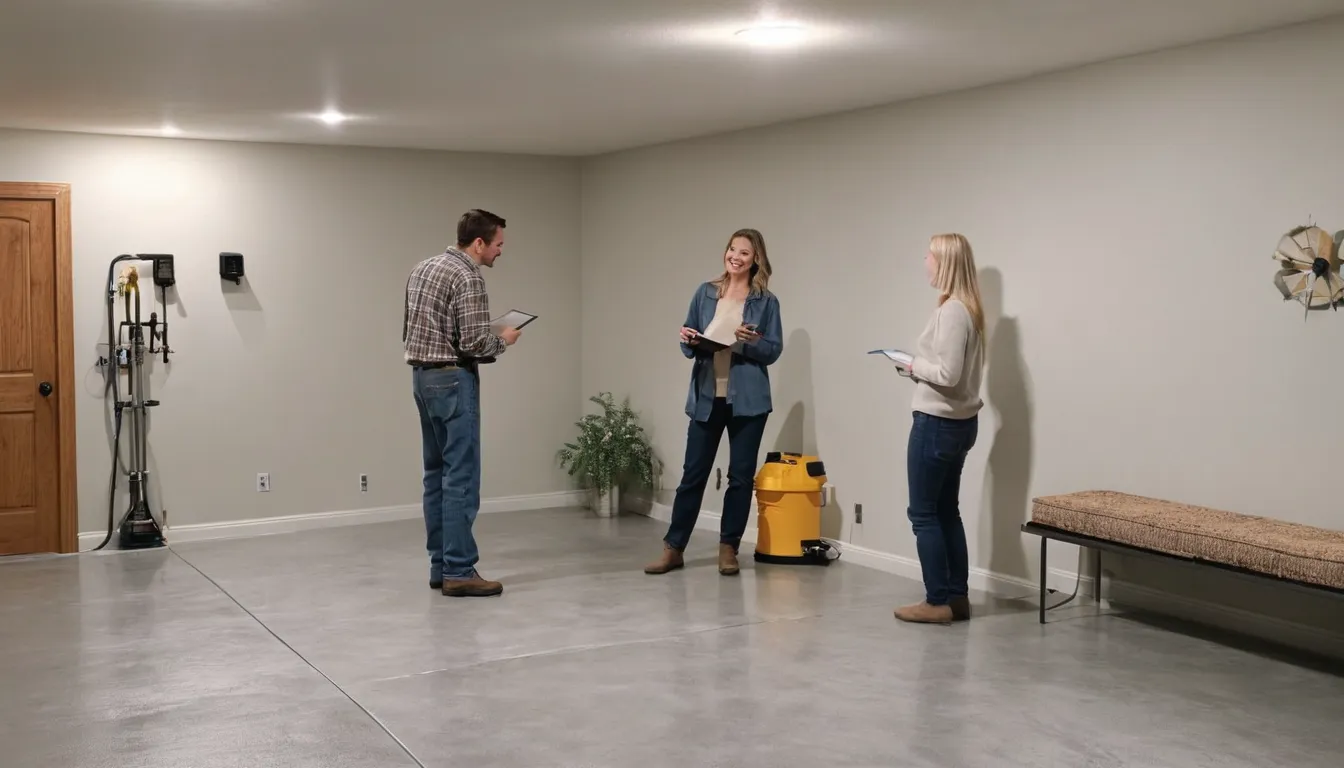
Questions about a cracked, stained or worn floor? Request a callback to check provider availability, or request an estimate online whenever it suits you.
Phone lines open Mon-Fri 9am-9pm ET · No obligationLook for dust on your shoes, stains that will not lift, small surface chips or worn patches. If the slab is sound, a coating can add protection. A provider can confirm after checking it.
You can clear the floor, sweep it and take photos of any problems. Grinding, crack repair, moisture testing and mixing coatings that set on a timer are jobs for a provider with the right equipment. Store kits often peel when these steps are skipped.
Sometimes, but moisture must be tested first. Providers may use moisture-tolerant primers or advise fixing water sources first, such as drainage or sump pump issues, before any coating goes on.
Questions about a cracked, stained or worn floor? Request a callback to check provider availability, or request an estimate online whenever it suits you.
Phone lines open Mon-Fri 9am-9pm ET · No obligation