How long does an epoxy garage floor last?
It depends on prep, the system and how you use the garage. A well-prepped floor with a good topcoat can last many years. Hot tires, road salt and sunlight wear it faster, so ask your provider what to expect.
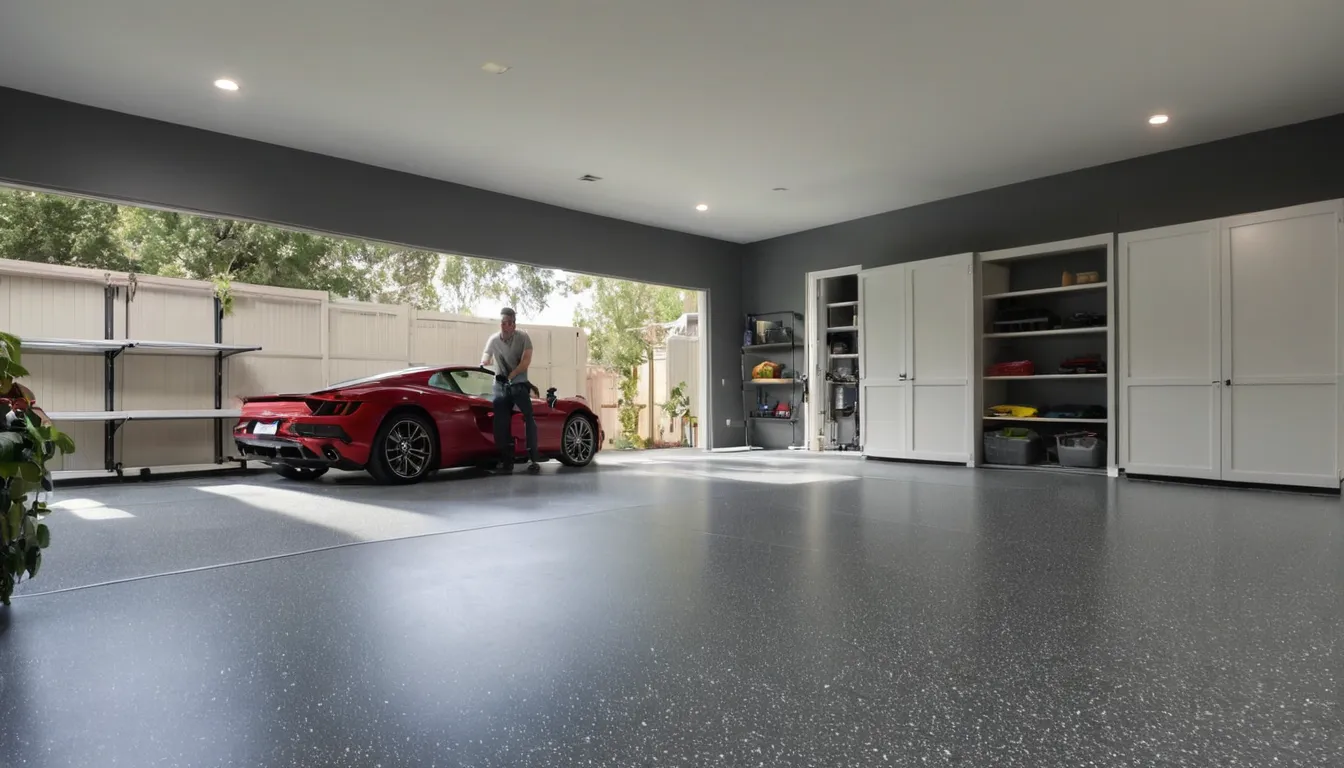
A garage floor takes a beating. Tires, salt, oil and winter slush all grind away at bare concrete. Epoxy gives that slab a tough, sealed surface that is easier to clean and nicer to look at.
Interventionvisited Floor Coating is a referral service. It connects homeowners in the Pleasant Prairie area with independent providers in our network who coat garage floors. The provider does the work, not Interventionvisited Floor Coating. This page walks you through the early warning signs, the common systems, the steps of a typical job and the questions worth asking. Take your time with it. You can read it now and decide later.
Maybe you noticed a dusty film on your shoes. Or a stain that will not lift. Or a hairline crack that was not there last spring. None of that means disaster. It means the floor is asking for a little attention.
Interventionvisited Floor Coating is a referral service. It connects you with independent local providers who coat garage floors with epoxy. The provider does the work. The goal here is to help you understand it first.
Small signs are easy to miss. Look for these:
Catch them early and the fix is often a lighter job. Wait through another frost season, and a thin crack can open wider.
Help where safe. You can clear the garage, sweep, and degrease light spills. You can also tape a square of clear plastic to the slab overnight. If the underside is damp in the morning, tell the provider. That is useful information.
Pros for prep. Grinding concrete, filling cracks and mixing resin on a timer all take heavy machines and practice. Epoxy sets on a clock. A rushed mix or a thin patch can peel later. Store-bought kits often leave a thin film that wears out fast under hot tires.
Request a callback to talk through your floor and check provider availability. Calls are answered Monday to Friday, 9am to 9pm ET.
Epoxy is only as strong as its grip on the slab. Oil, old paint, sealer and loose dust all weaken that grip. A pro grinds the surface so the resin can bite in.
Think of hardwood flooring installation. The boards may look lovely, but a poor subfloor shows up later as creaks and gaps. A garage slab works the same way. The layer you cannot see decides how long the top layer lasts.
Cracks and chips get filled first. Moisture gets checked. Skipped steps are the usual reason a coating lifts.
Every option below is a form of concrete coating. The layers and the look are what change.
A smooth, single color. It is bright, simple and easy to wipe down. A good pick for a plain, tidy look.
Colored chips are scattered into wet resin, then sealed. They add grip, hide small flaws and give a speckled look. Many homeowners choose this one for garages.
Swirled pigments make a one-of-a-kind floor. These custom floor finishes need steady, practiced hands, so they are pro work. Ask to see a sample board before you decide.
Plan on a few days, depending on the system and the weather. Most jobs follow this order:
Walking on the floor usually comes first. Parking comes later. Your provider will give you the exact timing.
The clear topcoat protects against scuffs, chemicals and hot-tire pickup. Plain epoxy can turn yellow when sun hits it through a window or an open door. Some providers suggest a UV-stable topcoat for bright bays. Ask which one is planned for your floor.
This is a job you can do. It also saves the provider time.
Don't forget the fridge or freezer. Ask where it can sit for a few days.
Cold winters with deep frost can crack and heave concrete. Hot, humid summers add moisture and slow curing. Spring thaws can push water up from below, and homes with full basements and sump pumps often have damp slabs. Summer storms can blow rain under the door.
A careful provider checks moisture before coating. They may also move the job if the slab is too wet. That is a good sign, not a delay to worry about.
Give the floor its full cure time before heavy use. After that, keep it simple. Sweep often. Damp-mop with a mild cleaner. Wipe spills when they happen.
Avoid harsh acids and stiff wire brushes. Put mats under trash bins. Lift heavy tools instead of dragging them. Use pads under jack stands.
A good provider is happy to answer all of these. If an answer feels vague, keep asking. You are allowed to take your time.
The provider tests the slab for dampness before any resin goes down.
Machines rough up the surface so the coating grips and does not peel.
Chips, cracks and pits are filled and leveled before the base coat.
Pick a solid, flake or metallic look, finished with a protective clear coat.
Prices vary a lot by garage size, slab condition and the system you pick. These are typical U.S. ranges, not quotes. Always get a written quote from the provider before you agree to anything.
| Item | Typical range | Notes |
|---|---|---|
| Solid-color epoxy | $3 – $7 per sq ft | Smooth single color, basic topcoat |
| Flake system | $5 – $10 per sq ft | Adds grip and hides flaws |
| Metallic or custom finish | $8 – $14 per sq ft | Needs skilled hands and more material |
| Grinding and prep | $1 – $3 per sq ft | Often included in the full price |
| Crack and joint repair | $100 – $600 | Depends on how much needs filling |
| Typical two-car garage | $2,000 – $6,000 | Size and system change the total |
Request a callback or use the request form to describe your garage and what you have noticed.
Interventionvisited Floor Coating matches you with an independent provider near you.
The provider looks at the slab and gives you a written quote.
Pick your system and color, then set a date with the provider directly.
Independent providers in our network work in your area and understand local weather and slabs.
You get simple explanations before you decide on anything.
Request an estimate with no obligation, and take your time.
Learn which tasks you can handle and which need pros.
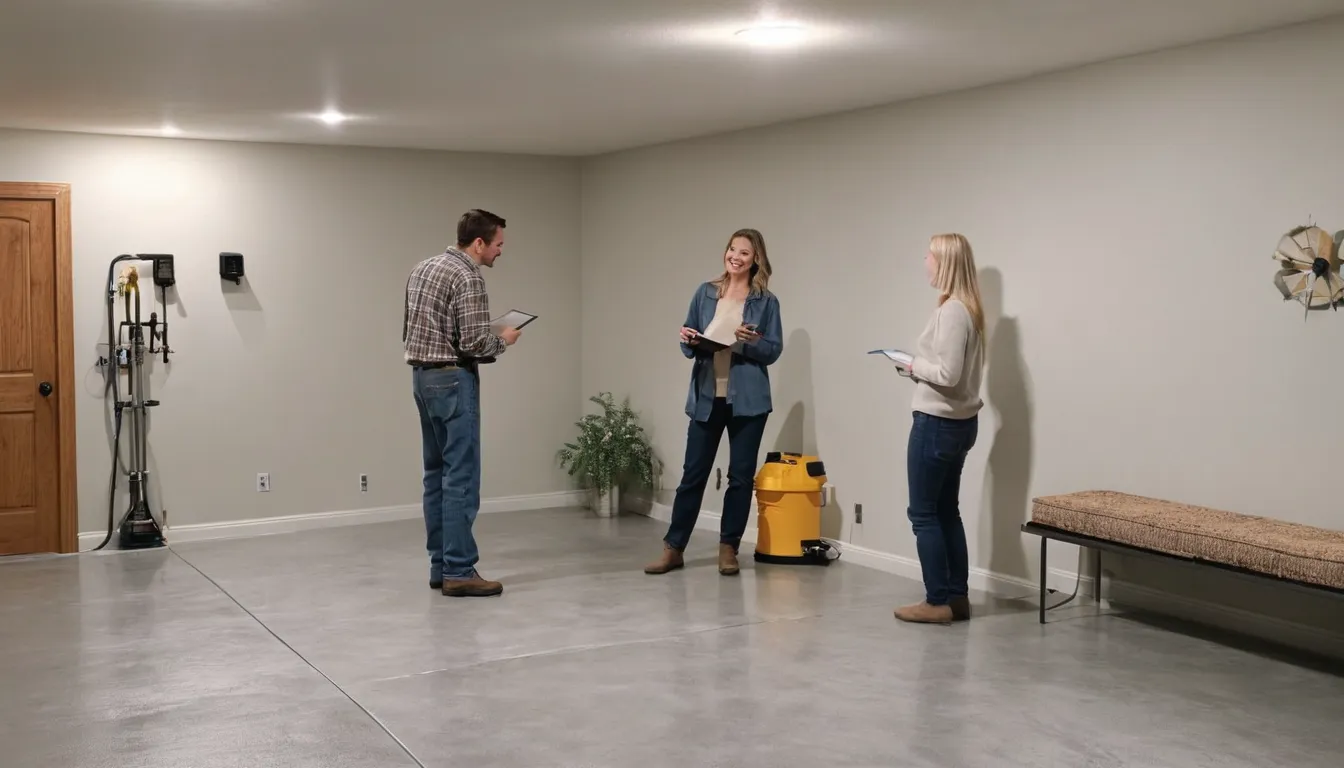
Questions about a cracked, stained or worn floor? Request a callback to check provider availability, or request an estimate online whenever it suits you.
Phone lines open Mon-Fri 9am-9pm ET · No obligationIt depends on prep, the system and how you use the garage. A well-prepped floor with a good topcoat can last many years. Hot tires, road salt and sunlight wear it faster, so ask your provider what to expect.
You can do the cleaning and clearing. Grinding, crack repair and mixing resin are harder and need pro tools. Rolled-on store kits often peel, so many homeowners ask a local provider to handle the coating.
Cracks are filled first, and oil must be removed or ground away. Epoxy will not bond well to a dirty or greasy slab. A provider checks the surface and tells you whether it is ready.
Questions about a cracked, stained or worn floor? Request a callback to check provider availability, or request an estimate online whenever it suits you.
Phone lines open Mon-Fri 9am-9pm ET · No obligation