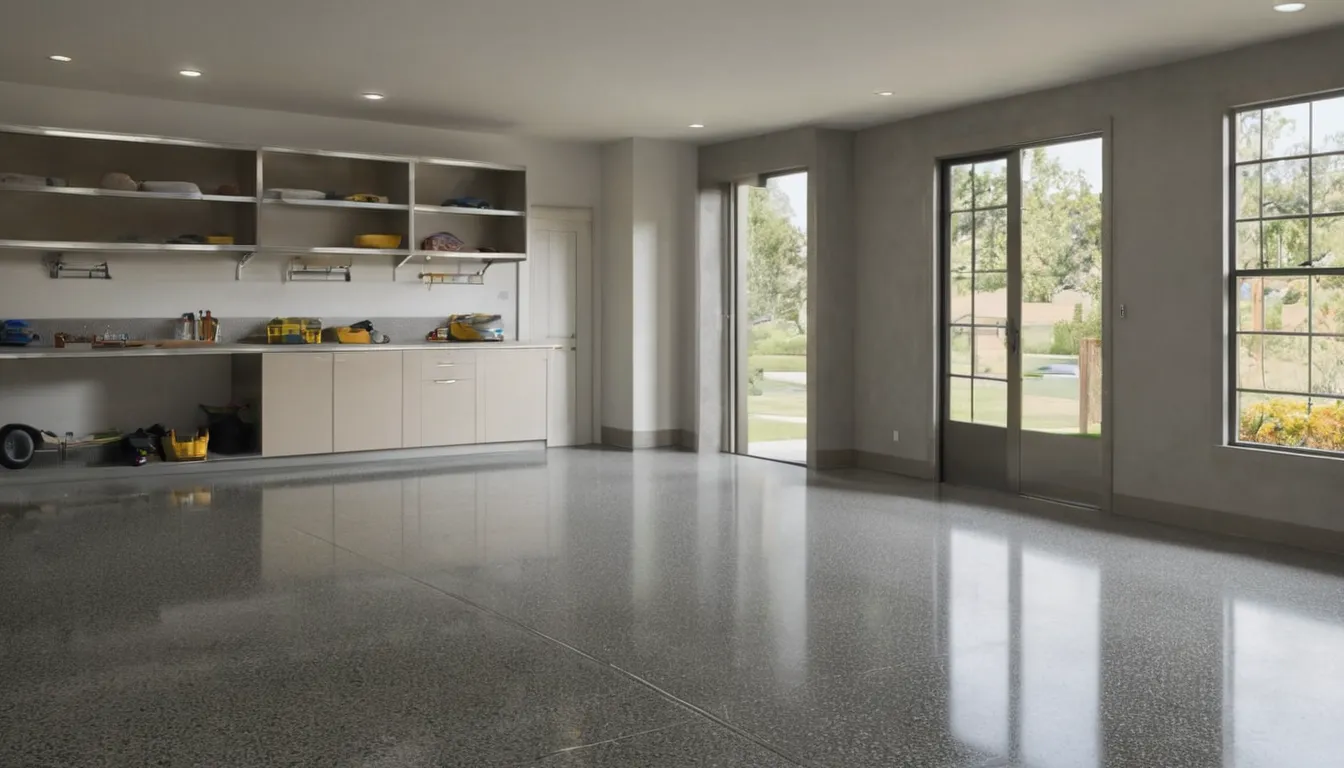
A polyaspartic coating is a thin, tough resin that goes over prepared concrete. It cures much faster than traditional epoxy, so many garage jobs finish in a day or two. It also holds its clarity in sunlight, which helps by a bright garage door or a sunny patio.
Interventionvisited Floor Coating is a referral service. It does not do the work. It connects homeowners in Pleasant Prairie and the Pleasant Prairie area with independent local providers who grind, repair, coat and seal the floor. This page explains how the coating works, what you can safely help with, what to watch for on your slab, and what to ask before you say yes.
Need Your Garage Floor Back Soon?
If a worn floor has you parking in the driveway, polyaspartic may be worth a look. It cures quickly, so many jobs wrap up in a day or two. That means less time with the car outside and the tools stacked on the lawn.
Take a breath. You don't have to decide everything today. This page walks you through what the coating is, what to watch for, and what to ask a provider.
Read the Floor Early
Small signs show up first. Look for hairline cracks, a dusty surface, oil stains that won't lift, and flakes of old paint near the door. If your shoes leave pale dust trails, the slab is telling you something.
Coating a floor with light wear is simpler than repairing one that has started to crumble. Deep frost and spring flooding can push those hairlines wider each year. Reading the floor early gives you more choices.
How Polyaspartic Differs From Epoxy
Both are resin coatings. Epoxy is thicker and slower to cure. Polyaspartic is thinner, sets fast, and resists yellowing from sunlight. That is why many providers use it as the clear top layer.
If you are comparing epoxy garage floors with polyaspartic, ask a provider to explain the tradeoffs for your slab. The right choice depends on its age, its moisture, and how you use the space.
Full Polyaspartic or Hybrid System?
A full system uses polyaspartic in every layer. A hybrid puts an epoxy base under a polyaspartic topcoat. Hybrids often cost less and fill small flaws well. Full systems cure fastest.
Neither one is wrong. Ask the provider why they suggest one for your floor.
Help Where Safe
There is plenty you can do. Empty the garage, move the extra fridge, and sweep the slab. Note oil spots and cracks with your phone camera. Tape a square of clear plastic to the floor overnight. If you see damp spots underneath in the morning, tell the provider.
Please don't rent a grinder and mix the coating yourself. Polyaspartic can set in minutes, which leaves little room for mistakes like lap marks and bubbles.
Pros for Prep
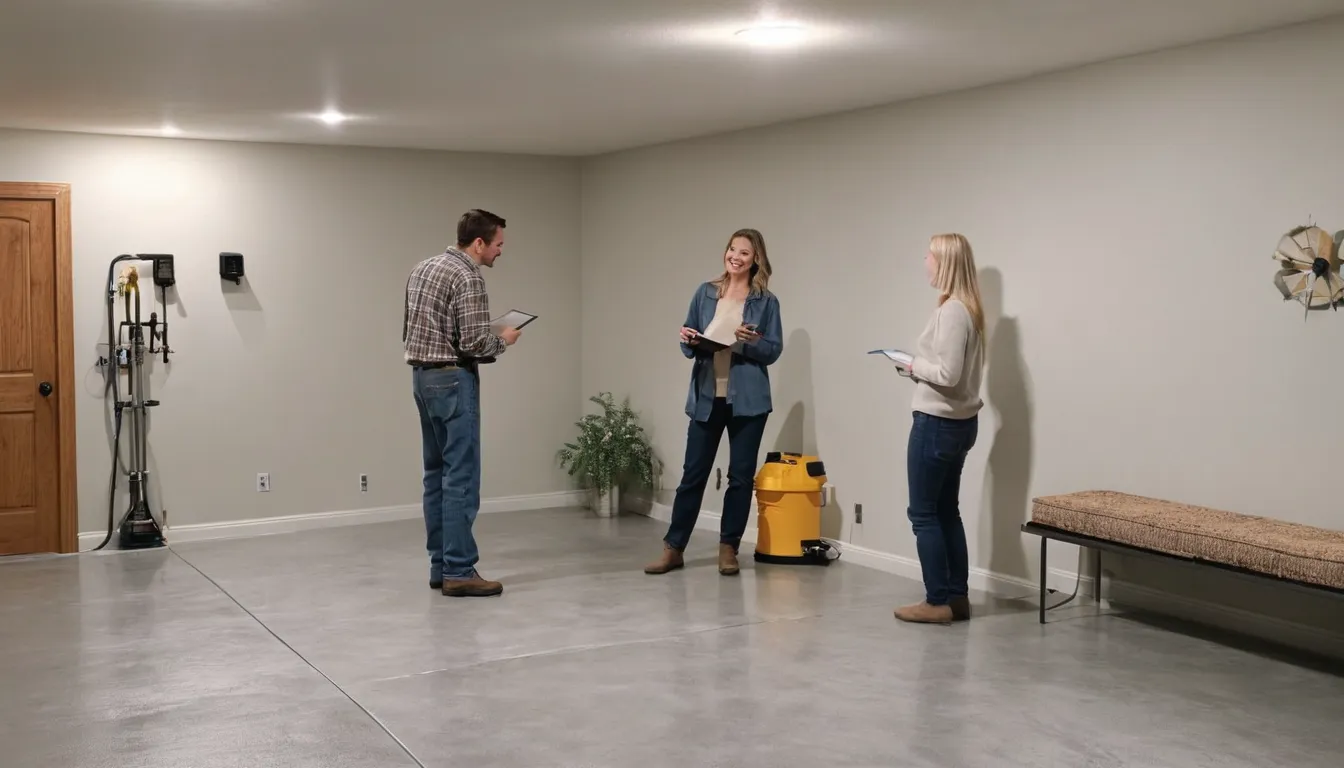
Prep decides how long the coating lasts. Providers use a diamond grinder with a dust vacuum to open the concrete. They repair cracks, check moisture, and watch the air and slab temperature.
The mixing and timing take practice and the right equipment. This is the part worth paying a pro to handle.
The Installation Process
The steps vary by provider, but most jobs look like this:
- Grind the slab and vacuum the dust.
- Fill cracks, joints and chips.
- Roll on a pigmented base coat.
- Scatter decorative flakes while it is wet.
- Scrape off loose flakes and apply the clear polyaspartic topcoat.
- Let it cure before walking or driving on it.
Many floors take foot traffic within a day. Heavy use may need a little longer, so ask for the exact timing.
Request Help
Where Polyaspartic Works Well
Garages are the usual choice. It also suits workshops, laundry rooms, porches, patios and sunlit entries. The UV resistance helps where the sun reaches the floor.
Basements need extra care. If you have a sump pump or past dampness, ask the provider about moisture testing first. A coating can't fix water pushing up from below.
Weather and Timing
Cold winters and hot, humid summers both affect the job. Cold slabs slow cure times. Heat and humidity can make the coating set too fast. A good provider chooses a product for the season.
Spring flooding can leave a slab damp, so wait until it dries. Thunderstorms and hail in the forecast are also worth planning around, since a wet or dusty garage can ruin a fresh coat.
Choosing Colors and Flake Blends
This is the fun part. Custom floor finishes let you pick a base color and a flake blend. Mixed gray, tan and brown flakes hide dust, tire marks and small stains. Solid colors look clean but show every speck.
Ask to see sample boards in your own garage light. Colors change a lot between a showroom and your door.
Caring for a Polyaspartic Floor
Keep it simple. Sweep often and damp mop with a mild cleaner. In winter, rinse off road salt and slush. Skip harsh solvents and wire brushes. Put pads under jack stands and heavy tool chests.
Read the floor early here too. A new scratch or a dull spot is easy to address if you mention it to your provider soon.
Questions to Ask the Installer
A few good questions make the quote easier to compare:
- How will you prep the slab, and with what equipment?
- Is this a full or hybrid system, and why?
- How thick will the coats be?
- How is moisture checked?
- When can I walk on it, and when can I park on it?
- What does the written warranty cover?
Planning Around Other Work
If you are also planning hardwood flooring installation inside the house, tell the provider. Grinding makes dust, and it helps to schedule the two jobs apart.
Request Help
A Calm Next Step
You have time to ask questions and compare. Request a callback to check provider availability. Calls are answered Mon-Fri 9am-9pm ET. If you prefer, use the form to request an estimate and a provider in our network will reach out.
Request Help
What's Included
Surface Grinding
Diamond grinding opens the concrete so the coating can grip and removes old sealers and weak spots.
Crack Repair Work
Providers fill hairline cracks and chips first so they don't show through the finished coating.
Color Base and Flakes
A tinted base coat gets decorative flakes for grip and a pattern that hides dust.
Clear Topcoat
A fast-curing polyaspartic layer seals everything and resists sun, scuffs and tire marks.
What Polyaspartic Coatings Typically Cost in the U.S.
Prices vary with slab condition, size, prep needs and the system chosen. The ranges below are typical U.S. figures, not quotes. Ask each provider for a written quote that lists prep, coats and cure time.
| Item | Typical range | Notes |
|---|
| Two-car garage, full polyaspartic | $3,500 – $7,500 | Fastest cure; price depends on slab and flakes |
| Two-car garage, hybrid system | $3,000 – $6,500 | Epoxy base with polyaspartic topcoat |
| One-car garage | $1,800 – $4,000 | Smaller area, but prep still applies |
| Crack and joint repair | $100 – $600 | Depends on how many and how wide |
| Moisture primer or barrier | $1 – $3 per sq ft | Only needed on damp slabs |
| Removing an old coating | $1 – $3 per sq ft | Adds time if paint or sealer is thick |
Request Help
How It Works
Check Your Floor
Look for cracks, dust, stains and damp spots, and take a few photos to share.
Clear the Space
Move vehicles, shelves and boxes out so the provider can reach the whole slab.
Request an Estimate
Use the form or call to be matched with a provider.
Compare Written Quotes
Check prep, system type, coat thickness and cure time before you choose a provider.
Why Call Interventionvisited Floor Coating
Learn the Basics First
Knowing how the coating works helps you compare quotes calmly and spot answers that don't add up.
Fast Cure
Many polyaspartic jobs finish in a day or two, so your garage stays out of use less.
Sun Resistance
The clear layer holds up to sunlight, which helps near windows and open garage doors.
Local Providers
Independent providers know the frost, humidity and slabs common in your area.
Other Services